
Anthropic Reaches Billion-Dollar Settlement with Authors
In one of the largest and most landmark U.S. legal disputes over AI training data and copyright law, U.S. authors and the AI company Anthropic PBC have reached a preliminary settlement worth over $1.5 billion. The case is considered a milestone for copyright law in the AI industry.
Background of the legal dispute
In 2024, bestselling authors Andrea Bartz, Charles Graeber, and Kirk Wallace Johnson filed a lawsuit. They accused Anthropic of incorporating and using copyrighted books into its AI training data without a license. Particularly controversial was the use of numerous works from so-called shadow libraries. These are illegal digital collections of books that are available online without the consent of the rights holders. One example is Library Genesis.
Anthropic argued that training AI models could fall under fair use. This is a U.S. legal principle that permits the use of copyrighted works under certain conditions, including research, news reporting, and education.
Interim court ruling
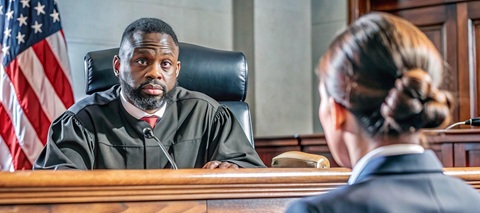
In June 2025, Judge William Alsup issued a nuanced partial ruling:
- The use of legally acquired works to train AI systems could be considered “fair use” because they are used in a transformative manner—the content is not directly copied, but serves as the basis for the AI to generate new texts.
- The systematic storage of works from pirate sources (illegal sources of copyrighted content), however, does not fall under fair use. Anthropic had collected millions of online books, including some that were not directly used in the training.
The Comparison
In September 2025, based on the decision described above, the parties reached a settlement of over $1.5 billion covering approximately 465,000 works. The authors are expected to receive an average of about $3,000 per work. Anthropic has committed to deleting the unlicensed works or making them inaccessible. German media outlets are also reporting on this case: zdf-heute
Implications for AI companies and creators
The case involving copyright and AI demonstrates that, under certain conditions, training AI with legal content may be permissible as “fair use” in the United States. However, the use of illegal works remains legally risky. It underscores that technological innovation cannot automatically take precedence over copyright. At the same time, the case provides guidance for the future in the U.S. and sets an important precedent for the relationship between AI and creative property.
You can find more information on AI law and other fascinating cases involving AI and copyright here!
Now it’s easy to get in touch with us if you have any questions about AI: