
Anime industry warns against AI interference in copyrighted works
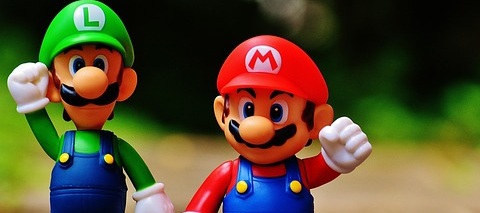
In October 2025, the Japanese government issued a formal warning to OpenAI. The reason for this was the new AI video model Sora 2, which allows users to create high-resolution short films with synchronized sound—many of them in the typical anime style. Within a few days, videos were circulating with motifs clearly reminiscent of franchises such as Pokémon, Demon Slayer, and Super Mario. In this context, the government accused OpenAI of potentially violating Japanese copyright laws. Click here for the Japan Times article.
What can Sora 2 do?
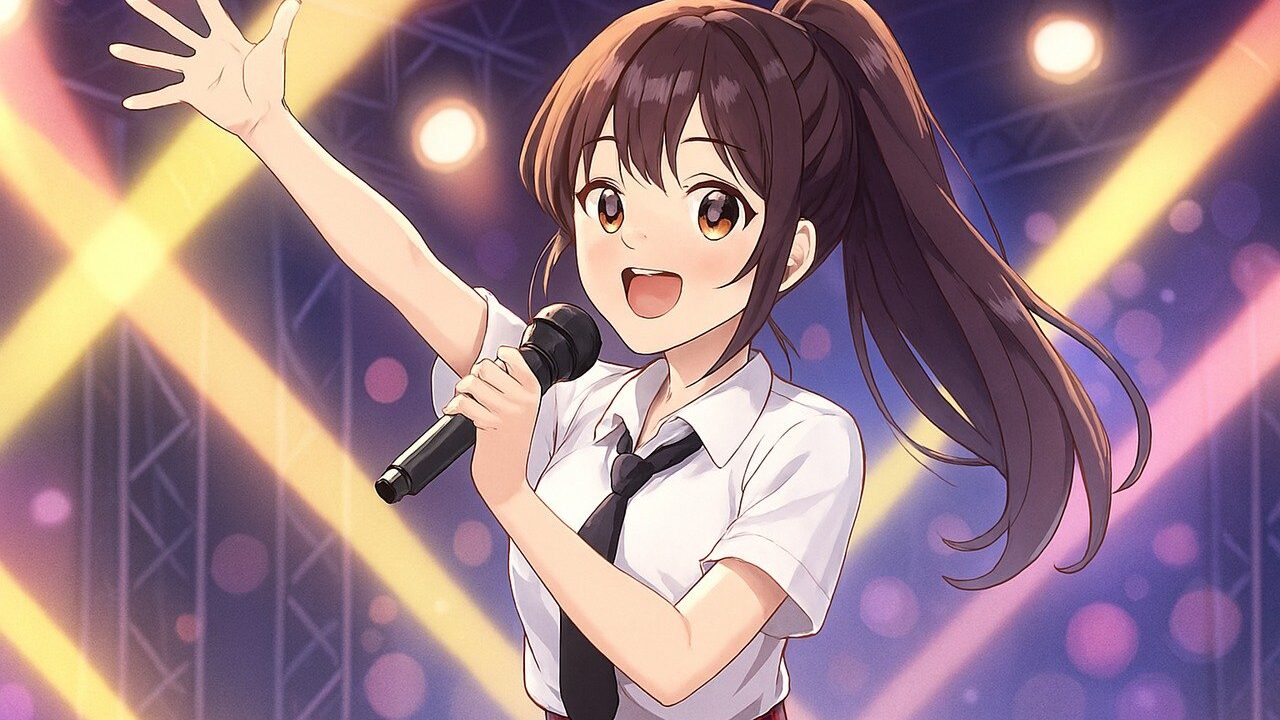
Sora 2 generates videos based on text commands, such as “A boy flies through Tokyo at sunset on a dragon.” The results look like professional anime clips and contribute to the debate between Japan and OpenAI. Many users requested scenes with iconic characters, some of which were almost identical to well-known brands. The widespread publication of such videos on social media created strong public pressure, as the clips spread rapidly and achieved a wide reach.
Legal position of the Japanese government
The Japanese government requested OpenAI to not permit generated content that utilizes copyrighted characters or designs without the consent of the rights holders. This is referred to as the opt-in model. Under this model, content may only be used with prior express consent, in contrast to the opt-out procedure, where rights holders must actively object.
OpenAI was also required to:
• offer license models with revenue sharing,
• provide a deletion system for affected content,
• and use effective filters to proactively identify protected works.
How OpenAI responds
OpenAI announced that it would introduce new control features. This will allow creators to determine how and whether their content may be used in Sora 2. A voluntary licensing model is also in the works. In addition, technical protection measures such as watermarks and metadata will be used to identify the origin of videos. However, OpenAI has not yet reached a concrete legal agreement with Japanese rights holders.
Japanese copyright law
Japanese copyright law does not protect the drawing style itself, but only clearly recognizable characters and scenes. Sora 2 is therefore allowed to create anime-like videos as long as no existing and recognizable characters are imitated or copied.
Current status and significance of the case
So far, there have been no legal proceedings against OpenAI, the Japanese government has only issued a formal warning. Nevertheless, the Sora 2 case sends a clear signal. Japan is showing that intellectual property, especially cultural assets such as anime and manga, is taken seriously in the age of AI. The Japan-against-OpenAI dilemma shows that clear licensing regulations, control mechanisms, and protective measures must be part of every AI application from the outset in order to successfully combine technological innovation and legal certainty.
Learn more about AI law and current court cases…